
Magnified view of an exosome in blue and red hues, representing cutting-edge regenerative medicine, featuring AVANTA Medical branding

How to Use Exosomes After Laser Treatment: A Step-by-Step Clinical Guide

Exosomes Laser treatments are among the most powerful tools in aesthetic medicine — but the results don’t end when the session does. What happens after the laser is just as important as the treatment itself. This is where exosomes after laser treatment have become one of the most exciting and clinically relevant advances in regenerative…
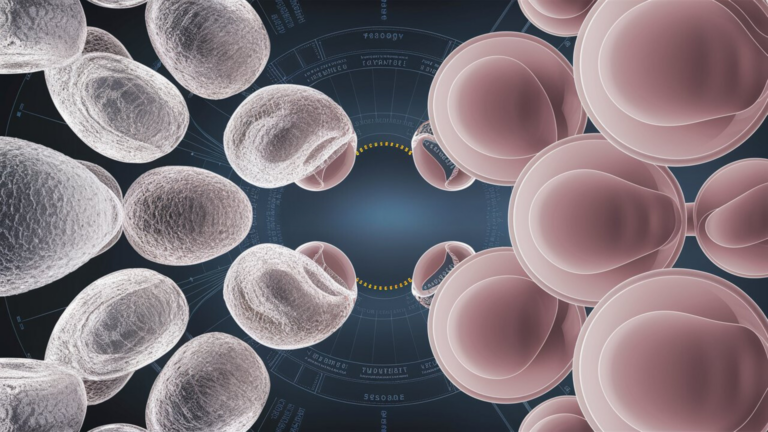
LYOPHILIZED VS NON-LYOPHILIZED

Preservation and Stability of Lyophilized vs Non-Lyophilized Exosomes

When it comes to exosome preservation, choosing the right method is crucial for ensuring their effectiveness in clinical applications. The two main forms of exosomes are lyophilized (freeze-dried) and non-lyophilized (liquid), and each has its own advantages depending on your practice’s needs. Lyophilized Exosomes Lyophilization, or freeze-drying, is a method where exosomes are frozen and…

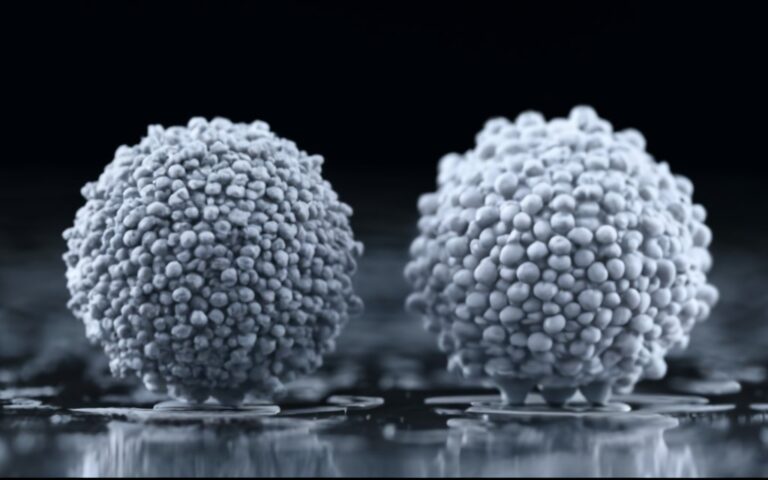
High-resolution image comparing exosomes with lyophilized structures, highlighting their surface morphology and scientific significance.

Comparing Effectiveness of Lyophilized vs Non-Lyophilized Exosomes in Treatments

Exosomes have become a critical tool in regenerative medicine, helping to rejuvenate skin, stimulate hair growth, and accelerate tissue healing. But does the method of preservation—lyophilized or non-lyophilized—affect their overall effectiveness in treatments? Lyophilized Exosomes Lyophilized exosomes are freeze-dried, allowing them to maintain their integrity and bioactivity over extended periods. Although the exosomes undergo a…